Examine the Extensive Services Delivered by CGCs in the Building Sector.
Building contractors play a pivotal role in the construction industry, delivering a suite of services that address every phase of a project. Their knowledge extends from early design and planning to efficient project oversight and compliance with safety regulations. Hickory top rated Commercial General Contractor. By managing diverse subcontractors and ensuring quality control, they work to fulfill both budgetary constraints and timelines. This detailed strategy raises important questions about the impact of their strategies on successful projects and customer happiness
Understanding the Role of CGCs
Although the construction industry encompasses a variety of roles, general contractors serve a pivotal function in overseeing and managing construction projects. They are tasked with ensuring that projects comply with design specifications, budgets, and deadlines. CGCs coordinate various subcontractors, like carpenters, plumbers, and electricians, to guarantee that all aspects of the construction process are executed seamlessly.
Furthermore, they are responsible for securing necessary permits and guaranteeing compliance with local regulations and building codes. This position demands a profound knowledge of construction practices, as well as robust leadership and communication abilities. General contractors are the chief liaison for clients, addressing concerns and providing updates throughout the project’s duration. Their ability to navigate challenges while upholding quality benchmarks is crucial for the successful completion of commercial building projects, which contributes to the efficacy and efficiency of the industry as a whole.
Project Management and Coordination
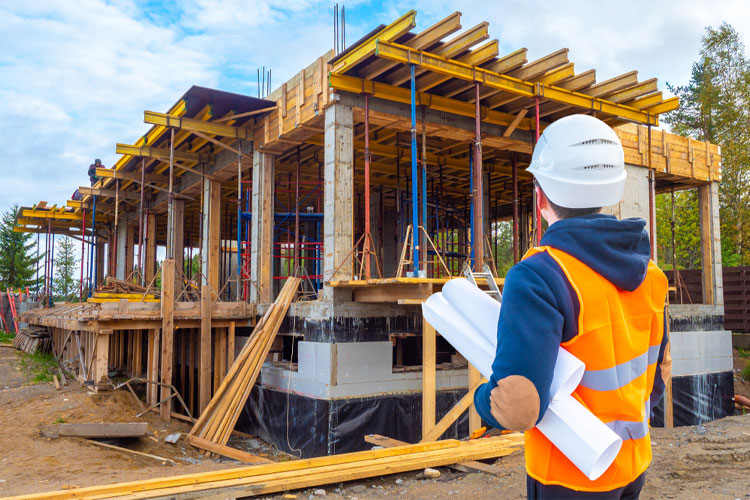
Managing and organizing projects are essential elements for the success of construction projects overseen by commercial general contractors. Effective communication strategies, resource management techniques, and timeline management practices are crucial in making sure projects are delivered on time and under budget - Hickory top rated Commercial General Contractor. By mastering these elements, contractors can foster cooperation among stakeholders and maximize project results
Strong Communication Methods
Efficient communication methods are critically important in the success of construction projects, as they ensure that all stakeholders are aligned and informed throughout the process. Open lines of communication promote cooperation among architects, engineers, subcontractors, and clients, guaranteeing all parties know project requirements and timelines. Routine gatherings and information sharing help identify potential issues early, allowing for timely problem-solving. Employing contemporary communication methods, for example, PM software and smartphone applications, improves the exchange of information and ensures all parties are linked. In addition, promoting a habit of transparent communication fosters responses and champions visibility, which helps achieve superior decisions. Ultimately, effective communication strategies lead to easier project delivery and greater contentment among stakeholders in the construction industry.
Resource Allocation Techniques
The practice of resource allocation is fundamental for effectively completing construction projects, guaranteeing resources, workforce, and machinery are employed productively. Successful resource management necessitates assessing project needs and fitting them to the current supply of resources, which aids in minimizing waste and optimizing productivity. Project leaders implement different tactics, including focusing on tasks based on necessity and resource supply, to manage resources properly. Moreover, using specialized software for following resource deployment improves choices and flexibility. Periodic checks on resource usage help identify potential bottlenecks and opportunities for enhancement, enabling quick corrections. Through applying these methods, construction firms can preserve project velocity, regulate spending, and ultimately achieve project goals according to the defined limits.
Timeline Management Practices
Handling project durations requires precise planning and organization to confirm that each part of the job moves ahead easily. General contractors use several time control techniques to enhance efficiency and secure timely project completion. These techniques cover drafting elaborate timetables, using scheduling applications, and carrying out consistent status reviews. By setting clear deadlines and milestones, contractors can effectively monitor advancements and tackle forthcoming delays rapidly. In addition, they create information exchange rules for subs, providers, and clients to facilitate information flow and avoid misunderstandings. Anticipatory risk mitigation techniques further contribute to timeline adherence, allowing for adjustments in response to unforeseen challenges. Finally, proper deadline oversight is vital for accomplishing project aims and upholding stakeholder approval in the competitive construction industry.
Design and Pre-Construction Services
Planning and design services are vital elements of the construction process, centering on efficient concept development approaches. These approaches ensure that the project's vision matches the practical implementation, and architectural coordination processes facilitate seamless collaboration among stakeholders. By prioritizing these elements, commercial general contractors can boost project success and efficiency.
Concept Development Approaches
While a project's success is often determined by its initial concept, efficient concept development methods are crucial for transforming ideas into actionable plans. Such methods require a systematic approach encompassing comprehensive research, engaging stakeholders, and feasibility assessments. By working closely with clients and stakeholders, commercial general contractors can pinpoint project objectives and constraints early in the process. This partnership promotes innovation and also ensures compliance with budgetary constraints and regulatory needs. Additionally, visualizations and prototypes can be employed to refine concepts, allowing for adjustments before significant investments are made. In the end, successful concept development strategies not only simplify the move from vision to reality and also minimize potential problems, setting the stage for a successful construction project.
Architectural Coordination Efforts
Effective architectural coordination processes are essential for the successful execution of construction projects. These efforts require detailed cooperation among architects, engineers, and contractors to guarantee that the design vision is accurately transformed into tangible structures. Commercial general contractors are key players in facilitating communication and aligning project goals. They oversee the integration of various design elements, resolving potential conflicts during the initial planning stages. This forward-thinking strategy minimizes expensive delays and rework, leading to a smoother workflow. Additionally, robust architectural coordination guarantees adherence to building codes and local regulations, enhancing project viability. By streamlining design revisions and maximizing resource use, these processes ultimately contribute to the overall efficiency and quality of construction outcomes, completing projects that adhere to client expectations and standards.
Controlling Finances and Budgeting
Budget management and financial oversight are vital aspects of successful construction projects, making certain that resources are used efficiently and expenditures remain within established limits. CGPs play an essential role in this aspect by meticulously developing budgets that cover the complete breadth of the project, covering materials, labor, and unexpected costs. Their expertise allows for precise prediction, which is crucial for avoiding cost overruns and ensuring fiscal soundness.
Moreover, general contractors implement rigorous financial monitoring throughout the project lifecycle. Contractors monitor expenditures relative to the budget, modifying resource distribution when needed to address modifications to the scope or unforeseen costs. This forward-thinking approach ensures the project remains financially sound but also promotes open dialogue with stakeholders about the budget's standing. By utilizing comprehensive documentation and regular updates, general contractors make certain all stakeholders are aware, thereby enhancing trust and collaboration throughout the construction process.
Ensuring Quality and Adhering to Safety Standards

Maintaining high quality and ensuring safety are paramount in the construction industry, guaranteeing projects satisfy required specifications while preserving the health and security of all workers involved. General contractors establish strict quality assurance protocols by conducting regular inspections, verifying supplies, and verifying adherence to specifications. Such measures assist in spotting problems soon, cutting down on costly fixes and setbacks.
Adhering to safety rules is just as vital; contractors follow OSHA guidelines and standard industry procedures to maintain a protected workplace. This encompasses supplying necessary education, required safety gear, and upholding transparent reporting regarding safety protocols.
Follow-up Services and Ongoing Assistance
Upon project finalization, commercial general contractors offer necessary follow-up services and assistance to make certain the facility performs as expected. Such offerings usually feature thorough inspections to check that standards are met and local regulations. The general contractor often handles warranty administration, dealing with defects that surface after the project handover.
Furthermore, maintenance support is provided, aiding clients in preserving the structure to extend its useful life and guarantee performance. Staff training on new equipment and installed systems can also be provided to boost day-to-day effectiveness.
Furthermore, contractors frequently assist with project closeout documentation, ensuring that all relevant information is organized and ready for consultation. This ongoing support builds a long-term connection between contractors and clients, cultivating reliance and positive feedback while encouraging responsibility in the construction process. All things considered, after-build services are crucial in the project's future viability.
Questions and Answers
What Types of Projects Do Commercial General Contractors Typically Handle?
Construction managers usually manage a wide array of jobs, like corporate facilities, retail spaces, industrial complexes, hospitals and clinics, schools and universities, and multi-family units, ensuring that each project meets sector benchmarks and owner demands with competence.
How Should I Select the Right Commercial General Contractor for My Project?
To choose the right commercial general contractor, you must assess their experience, verify recommendations, assess their financial stability, examine previous work, and guarantee clear communication about schedules and financial plans for efficient oversight.
What Are the Common Challenges That Arise During Development?

Common challenges encountered during building work are cost escalations, scheduling delays, labor shortages, adherence to rules, unexpected site conditions, and poor coordination among the team members. Such difficulties often complicate the completion of the job and might cause increased costs and extended schedules.
How Do Contractors Ensure Compliance To Regional Construction Regulations?
Firms maintain conformity with local building codes by carefully studying the rules, carrying out routine examinations, partnering with government agencies, and preserving comprehensive paperwork during the entire build phase discover details on to lessen dangers and follow security protocols.
What Warranties or Guarantees Do Builders Typically Offer Once the Job is Finished?
Builders usually offer assurances for workmanship and materials, with durations ranging from 1 to 10 years. Guarantees often include repairs for defects, ensuring clients receive verified quality and peace of mind following handover.